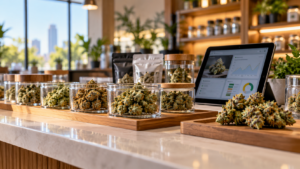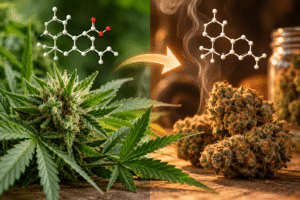
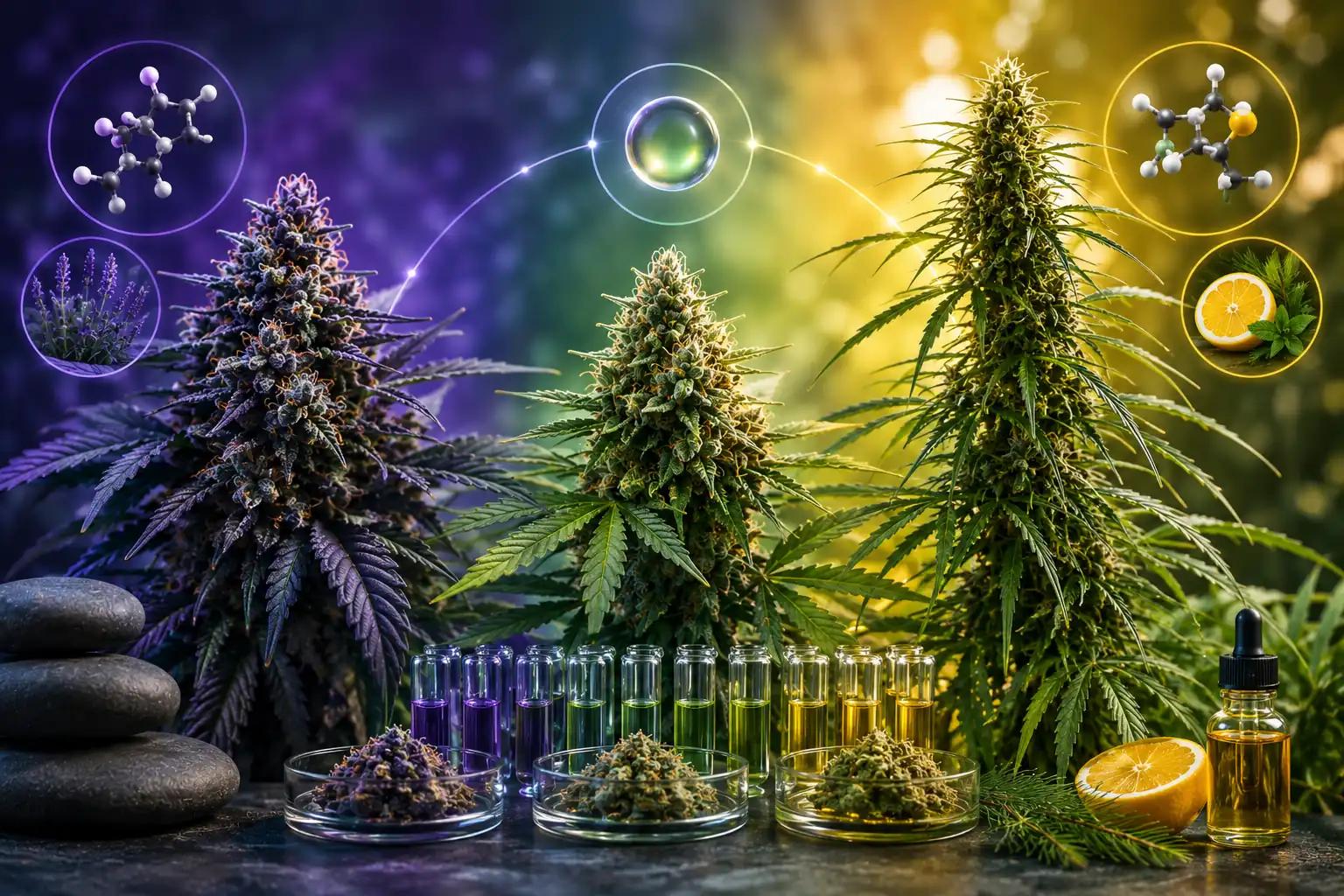
Ask ten people at a dispensary counter to explain the difference between indica, sativa, and hybrid cannabis, and you will probably get ten confident, completely different answers. Indica puts you on the couch. Sativa gets you moving and talking. Hybrid splits the difference. It is a tidy story, repeated in headshops and on product labels across the country, and modern cannabis science has largely proven it wrong.
That does not mean the words indica, sativa, and hybrid are useless. It means they answer a different question than most shoppers think they do. These terms describe what a plant looks like and where its genetic lineage traces back to, not what will happen in your body an hour after you use it. The experience you actually feel, relaxed or energized, foggy or focused, comes from a much more precise set of chemical fingerprints: terpenes, cannabinoids, and the ratios between them, collectively known as a chemovar.
This guide breaks down both realities at once. You will get the classic botanical differences between indica, sativa, and hybrid plants, because that history still shapes the market and the language budtenders use. You will also get the newer, evidence backed picture of how terpenes like myrcene and limonene, combined with THC, CBD, and minor cannabinoids, actually drive the sativa vs indica vs hybrid effects people are searching for. By the end, you will know how to read a lab label instead of guessing from a strain name.
Key Takeaways
- Indica, sativa, and hybrid are botanical and historical classifications based on plant shape and geographic origin, not reliable predictors of how a product will make you feel.
- The chemical profile of a product, especially its terpenes (aromatic compounds) and cannabinoid ratios (THC, CBD, and minor cannabinoids like CBG and CBN), is what actually drives relaxing, energizing, or balanced effects.
- Myrcene is the terpene most associated with sedating, “couch lock” style body effects, particularly at concentrations above roughly 0.5 percent.
- Limonene and pinene are more commonly linked to uplifted, alert, or clear headed effects, while linalool is associated with calm and stress relief.
- Nearly all cannabis sold in legal dispensaries today is technically a hybrid, so lab reported terpene and cannabinoid data is far more useful than the indica, sativa, or hybrid label on the jar.
- This article is educational and does not make medical cure claims. Talk with a healthcare provider about cannabis use, especially if you take other medications or manage a chronic condition.
Understanding the Classic Categories: Indica, Sativa, and Hybrid
Before diving into chemistry, it helps to understand where these three category names actually come from. They started as a way to describe plants, not experiences, and that distinction is the root of most modern confusion.
Cannabis Indica Properties and Origins
Cannabis indica plants are typically short and bushy, with wide, broad leaflets and dense, compact bud structures. This growth pattern is not random. Indica varieties trace their origins to the harsh, high altitude mountain regions of places like the Hindu Kush range spanning Afghanistan and Pakistan, where a short growing season and cold nights favored a hardy, low profile plant that could finish flowering quickly.
Historically, indica leaning products earned a reputation for producing heavier, more sedating, full body relaxation, the kind of effect people describe as sinking into a couch. Cultivators and retailers have repeated this association for decades, and it is deeply embedded in dispensary culture. As you will see in the next section, the more accurate explanation is that many traditional indica varieties happen to carry higher concentrations of the terpene myrcene, and myrcene, not the plant’s short bushy shape, is what drives that sedating quality.
Cannabis Sativa Properties and Origins
Cannabis sativa plants grow tall and lanky, sometimes reaching over twelve feet outdoors, with narrow, slender leaflets and a longer flowering cycle. These traits reflect an origin in warm, humid, equatorial regions such as parts of Southeast Asia, Central America, and Africa, where a long growing season allowed the plant to stretch upward in competition for sunlight.
The traditional consumer narrative pairs sativa with daytime use, mental stimulation, creativity, and energy. Again, the botanical shape of the plant does not cause this feeling. Sativa leaning varieties have historically tended toward terpene profiles richer in compounds like limonene and pinene, alongside cannabinoid ratios that many users report as more clear headed or uplifting, but that correlation is inconsistent across today’s market.
Hybrid Cannabis Strains Explained
A hybrid is exactly what it sounds like: a cross between indica and sativa genetic lines, bred intentionally by cultivators to combine desirable traits from both parent plants, such as yield, flowering time, aroma, and reported effects. Hybrids are usually described along a spectrum:
- Indica dominant hybrids lean toward the physical characteristics and reported relaxation of indica genetics while retaining some sativa influence.
- Sativa dominant hybrids lean toward taller growth patterns and reported energizing effects while retaining some indica influence.
- Balanced or 50/50 hybrids aim for an even genetic split between both lineages.
Here is the detail that reshapes this entire conversation: decades of open pollination, selective breeding, and global strain trading mean that the overwhelming majority of cannabis grown today, including plants sold under a pure “indica” or “sativa” label, is genetically a hybrid to some degree. A 2015 genetic analysis published in PLOS ONE, examining hundreds of commercial cannabis samples, found that genetic ancestry did not reliably line up with the indica or sativa labels used at retail. In practical terms, the name on the jar is a marketing convention inherited from decades past, not a chemistry report.
Beyond the Label: The Science of Terpenes and Cannabinoids
If plant shape does not determine effects, what does? The current scientific consensus points to a plant’s full chemical profile, its chemovar, meaning the specific combination of terpenes, cannabinoids, and other compounds working together, sometimes referred to as the entourage effect.
Terpenes: The Aroma Compounds That Shape How You Feel
Terpenes are the aromatic oils that give cannabis (and countless other plants) their distinctive smells, from citrus to pine to musky earth. They are not unique to cannabis (limonene is also the primary scent compound in lemon peels, and pinene is found in pine needles and rosemary), but in cannabis they appear to meaningfully influence the subjective effects people report, likely by interacting with cannabinoids and with the body’s endocannabinoid and other receptor systems.
The terpenes most frequently discussed in relation to sativa vs indica vs hybrid effects include:
- Myrcene, an earthy, musky, slightly fruity terpene, is the compound most strongly associated with sedating, heavy, “couch lock” style relaxation. Many researchers and cultivators point to a myrcene threshold rule of thumb: chemovars testing above roughly 0.5 percent myrcene by dry weight are disproportionately likely to produce sedative, body focused effects, regardless of whether the product is labeled indica, sativa, or hybrid.
- Limonene, a bright citrus scented terpene, is commonly associated with elevated mood and a sense of mental clarity.
- Pinene, smelling of fresh pine, is associated with alertness and has been studied for potential effects on memory and focus.
- Linalool, a floral terpene also found in lavender, is associated with calming, anti anxiety type effects.
Cannabinoids: THC, CBD, and the Minor Players
Terpenes work alongside cannabinoids, the compounds cannabis is best known for. THC (tetrahydrocannabinol) is the primary psychoactive cannabinoid, responsible for the classic “high,” while CBD (cannabidiol) is non intoxicating and is often associated with counterbalancing some of THC’s more intense effects, such as anxiety or racing thoughts, when present in meaningful ratios.
Beyond THC and CBD, minor cannabinoids are gaining attention:
- CBG (cannabigerol), sometimes called the “mother cannabinoid” because other cannabinoids are synthesized from it during plant growth, is being studied for a range of potential wellness applications, though evidence in humans remains preliminary.
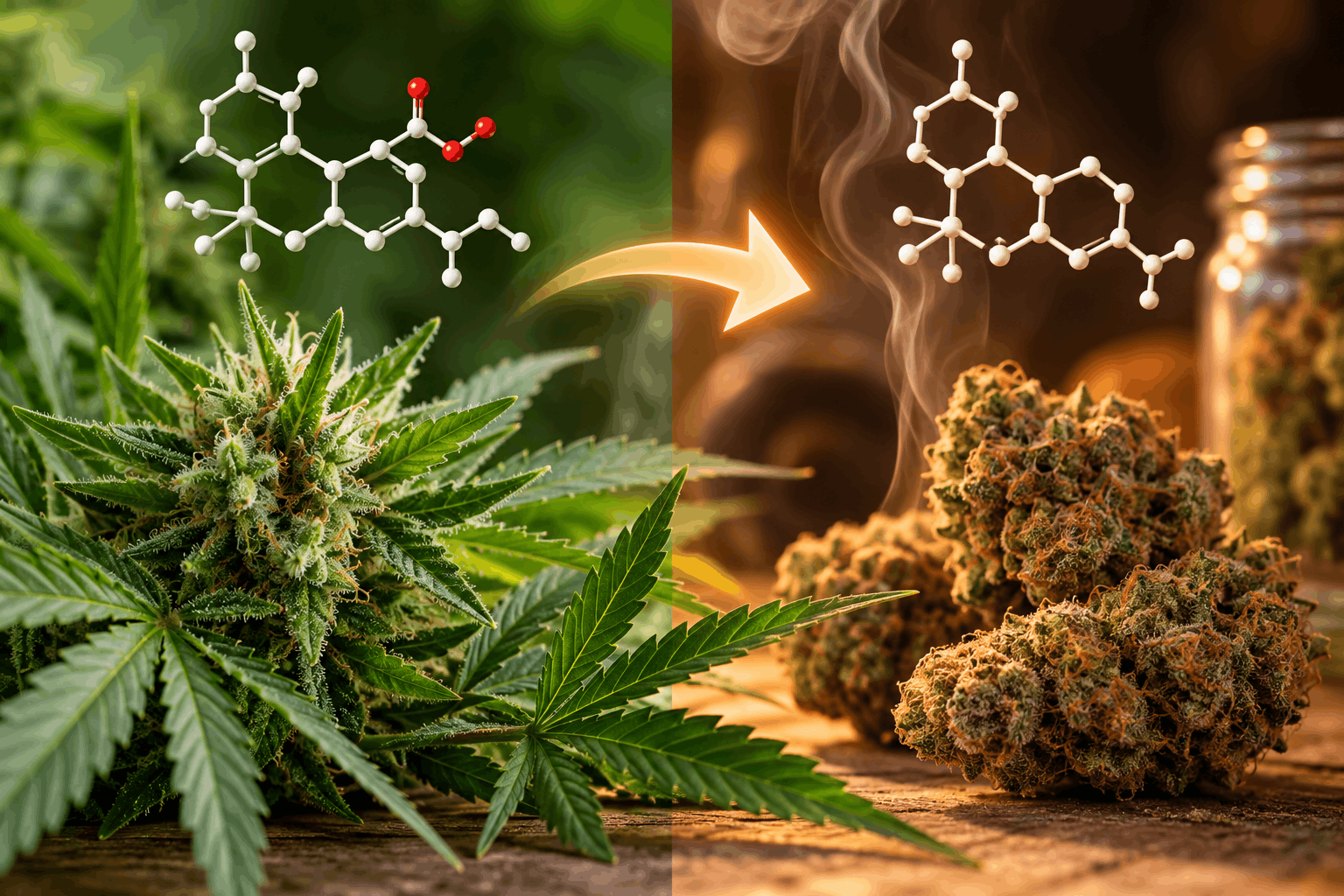
- CBN (cannabinol), formed as THC ages and degrades, is popularly associated with sedation and sleep support, though rigorous clinical research on CBN alone is still limited.
The key scientific takeaway is that no single compound, and certainly no single category label like indica or sativa, works in isolation. The interplay between THC, CBD, minor cannabinoids, and the full terpene profile is what shapes the experience, which is exactly why two products both labeled “indica” can feel meaningfully different from one another.
Sativa vs Indica vs Hybrid Effects Comparison Table
The table below summarizes the traditional botanical classifications alongside the terpene and cannabinoid patterns most commonly associated with each category. Remember that these are generalizations rooted in plant history and market convention, not guarantees, since individual chemovars vary widely.
| Category | Origin | Plant Features | Typical Terpenes | Cannabinoid Profile | Common Reported Effects | Ideal Usage Times |
| Indica | High altitude regions such as the Hindu Kush (Afghanistan, Pakistan) | Short, bushy plant, broad wide leaflets, dense compact buds | Often higher in myrcene, also linalool | Varies widely, often paired with higher myrcene chemovars | Physical relaxation, calm, potential drowsiness | Evening, nighttime, before sleep |
| Sativa | Warm equatorial regions (Southeast Asia, Central America, Africa) | Tall lanky plant, narrow slender leaflets, longer flowering time | Often higher in limonene, pinene | Varies widely, often paired with brighter, citrus forward chemovars | Uplifted mood, mental clarity, social energy | Daytime, mornings, social settings |
| Hybrid | Cross bred from indica and sativa genetic lines | Ranges across the full spectrum depending on parent genetics | Blended profile depending on dominant parent and specific chemovar | Custom blended, bred for a target balance of effects | Balanced, versatile, effect depends on the specific chemovar | Flexible, depends on the individual product’s lab data |
Because so many modern products blur these lines, always check the certificate of analysis (COA) or lab label for the specific terpene percentages and THC to CBD ratio rather than relying on the indica, sativa, or hybrid name alone.
Real World Guidance: How to Choose the Right Option
Knowing the science is only useful if it changes how you actually shop. Here is a practical, step by step approach for choosing a product based on chemistry rather than guesswork.
Step 1: Identify your desired outcome first. Before looking at any label, get specific about what you want. Are you hoping to wind down and fall asleep? Manage discomfort after a long day? Stay focused and social at a gathering? Ease pre-event nerves? Naming the goal gives you a target to shop toward, rather than a vague vibe to chase.
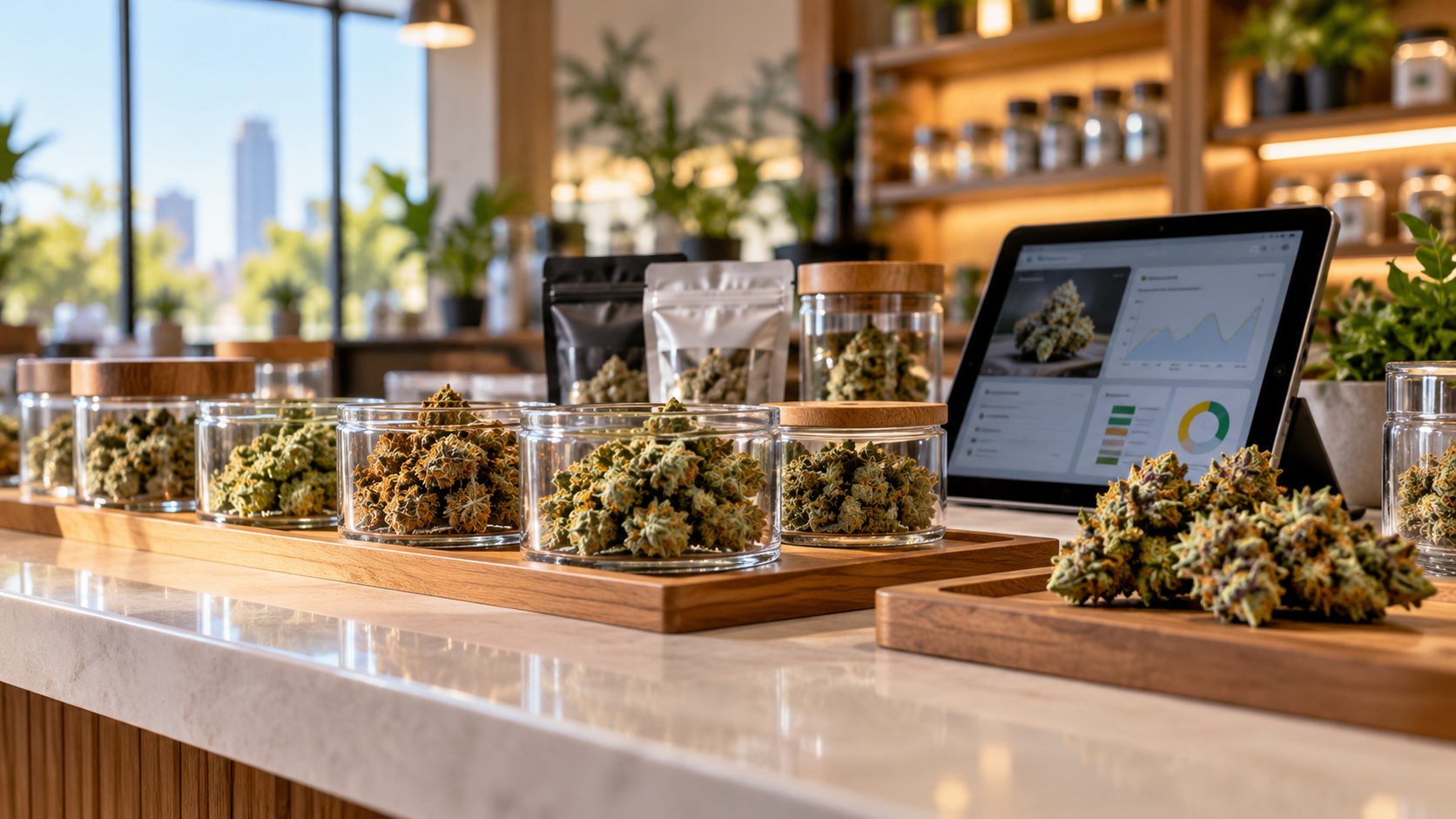
Step 2: Read the terpene panel, not just the strain name. Licensed dispensaries in legal states are generally required to provide lab tested terpene and cannabinoid data. Look for the dominant terpenes listed on the label or COA. If your goal is winding down, look for myrcene or linalool as the top terpenes. If your goal is staying alert and social, look for limonene or pinene near the top of the list.
Step 3: Check the THC to CBD ratio for potency management. Total potency matters as much as terpene profile, particularly for beginners or anyone with lower tolerance. A product high in THC and low in CBD tends to produce stronger psychoactive effects, while a more balanced or CBD forward ratio may soften intensity. Start low, especially with unfamiliar chemovars, and give any product enough time to take effect before deciding whether to use more.
Step 4: Ask your budtender pointed, chemistry focused questions. Skip “is this a good indica” and instead ask questions like these:
- What is the dominant terpene in this batch, and what is its myrcene percentage?
- What is the THC to CBD ratio on the current COA?
- Do you have a similar product with a different terpene profile if I want a different effect?
- Has this batch been tested for pesticides and contaminants, and can I see the certificate?
Budtenders who can answer confidently and point you to real lab data are generally a strong sign of a well run, transparent dispensary.
Safety, Tolerance, and Consumption Methods
How you consume cannabis changes how, and how quickly, these compounds reach your system, which matters just as much as the chemovar you choose.
- Smoking and vaping deliver cannabinoids through the lungs, producing effects within minutes that generally peak quickly and fade over one to three hours. This route makes it easier to gauge dosage in real time.
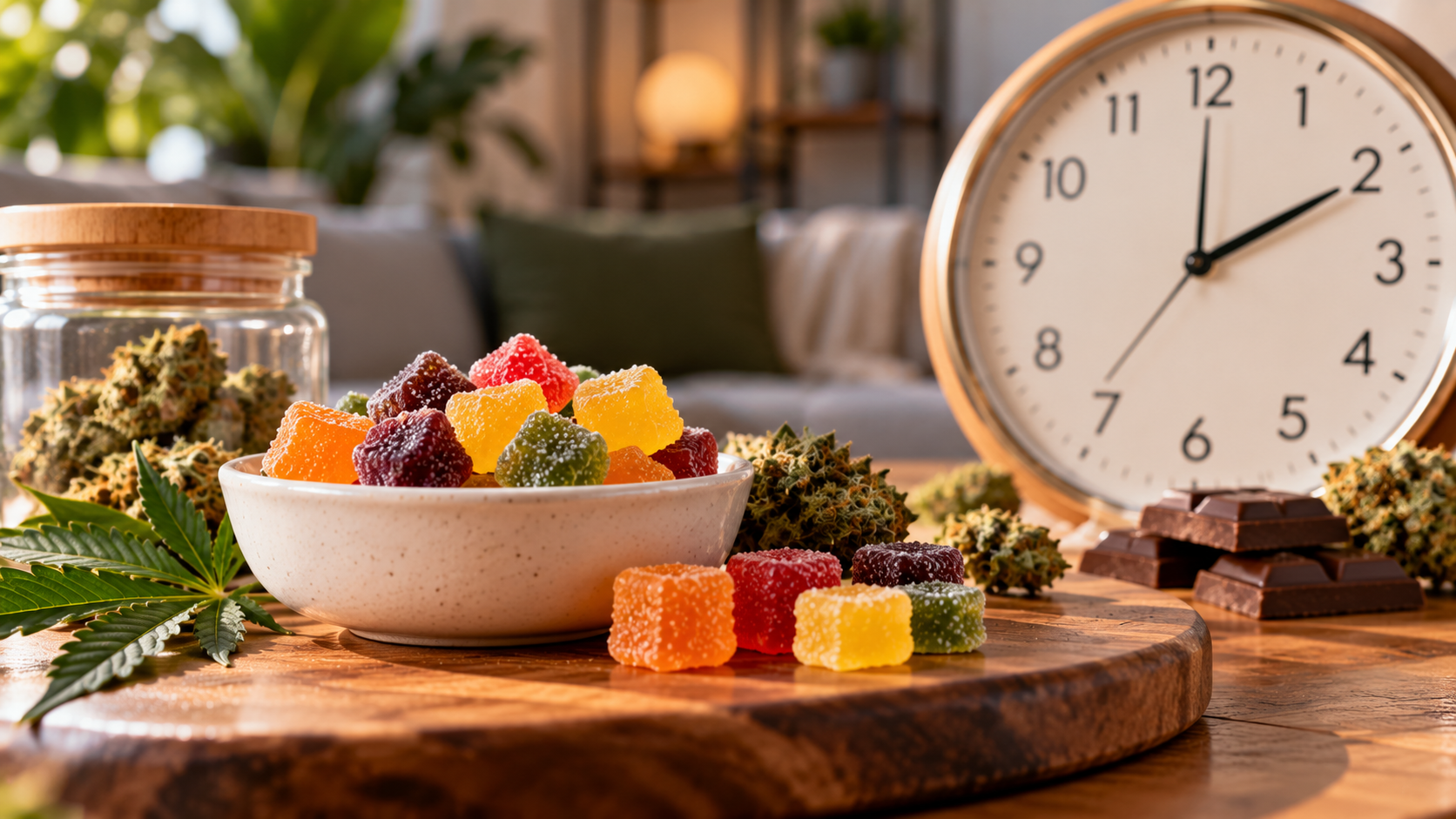
- Edibles are processed through the digestive system and liver, which converts THC into a more potent compound. Onset can take anywhere from thirty minutes to two hours, and effects often last significantly longer, four to eight hours or more. The delayed onset is the single most common cause of people accidentally overconsuming edibles, so patience matters far more here than with inhaled products.
- Tinctures and sublingual products sit between the two, offering faster onset than edibles when held under the tongue, with effects typically lasting a few hours.
Potential side effects to be aware of across consumption methods include dry mouth, dry or red eyes, dizziness, increased heart rate, anxiety, or paranoia, particularly at higher THC doses or in inexperienced users. Staying hydrated, starting with a low dose, having CBD available to help offset an uncomfortable THC heavy experience, and avoiding combining cannabis with alcohol or other sedating substances are commonly cited harm reduction practices.
Legal disclaimer: Cannabis laws vary significantly by state and remain federally restricted in the United States. Always confirm the legal status of cannabis in your specific state before purchasing or using any product, purchase only from licensed and regulated dispensaries where required, and keep products securely stored away from children and pets. This article is for general educational purposes only, is not medical advice, and does not claim to diagnose, treat, cure, or prevent any disease. Speak with a qualified healthcare provider before using cannabis, particularly if you are pregnant, nursing, managing a health condition, or taking other medications.
Frequently Asked Questions
Does sativa always energize you and indica always make you sleepy? No. This is one of the most persistent myths in cannabis retail. While many traditional indica varieties do carry higher levels of the sedating terpene myrcene, and many traditional sativa varieties lean toward more energizing terpenes like limonene, the correlation is not reliable across today’s market. A product’s actual terpene and cannabinoid profile, visible on its lab label, is a far more accurate predictor of effect than the indica or sativa name alone.
Which cannabis type is best for sleep and chronic pain relief? There is no single “best type,” since indica, sativa, and hybrid labels do not reliably predict this. Instead, look at the chemovar. Products with elevated myrcene and, in some cases, added CBN are more commonly associated with sedative, sleep supportive effects, while pain related discussions often focus on the balance between THC and CBD along with the specific terpene blend. Speak with a healthcare provider or a knowledgeable budtender about options, since individual responses vary and this article does not make medical claims.
What creates the couch lock feeling in cannabis strains? The heavy, sedating sensation commonly called couch lock is most strongly linked to high concentrations of the terpene myrcene, often cited at levels above roughly 0.5 percent, frequently combined with a THC dominant cannabinoid profile. It is a chemistry effect, not something caused simply by a plant being classified as an indica.
What is the difference between a head high and a body high? A “head high” generally describes effects felt more cognitively and emotionally, such as euphoria, altered perception, giggliness, or increased focus, and is often associated with terpenes like limonene and pinene alongside THC. A “body high” describes physical sensations such as heaviness, deep relaxation, or muscle ease, and is more often associated with myrcene rich, THC forward chemovars. Most real world experiences blend elements of both rather than falling cleanly into one category.
Are all modern cannabis strains actually hybrids? In a genetic sense, yes, essentially all commercially available cannabis today carries mixed indica and sativa ancestry due to decades of cross breeding, informal trading, and selective cultivation. Genetic research, including a widely cited 2015 study published in PLOS ONE, found that a plant’s genetic background frequently does not match its retail label. The terms indica, sativa, and hybrid persist because they are useful shorthand for plant shape, growing history, and market tradition, not because they represent scientifically distinct, pure genetic lines anymore.
Conclusion
The indica, sativa, and hybrid framework is not entirely wrong, it is just answering an older question about plant botany and geographic origin rather than the question most people actually care about, which is how a product will make them feel. That answer lives in the terpene and cannabinoid data: myrcene and linalool leaning toward relaxation, limonene and pinene leaning toward clarity and uplift, and THC to CBD ratios shaping overall intensity.
The most reliable path to a good outcome is not memorizing which strains “count” as indica versus sativa. It is learning to read a lab label, asking specific questions about terpene content and cannabinoid ratios, and paying attention to how your own body responds over time. Whether you gravitate toward natural buds at a local dispensary or explore other legal product formats, that same terpene aware, chemovar focused approach applies. As the legal cannabis market matures, this evidence based mindset is quickly becoming the new standard for informed, intentional consumption.