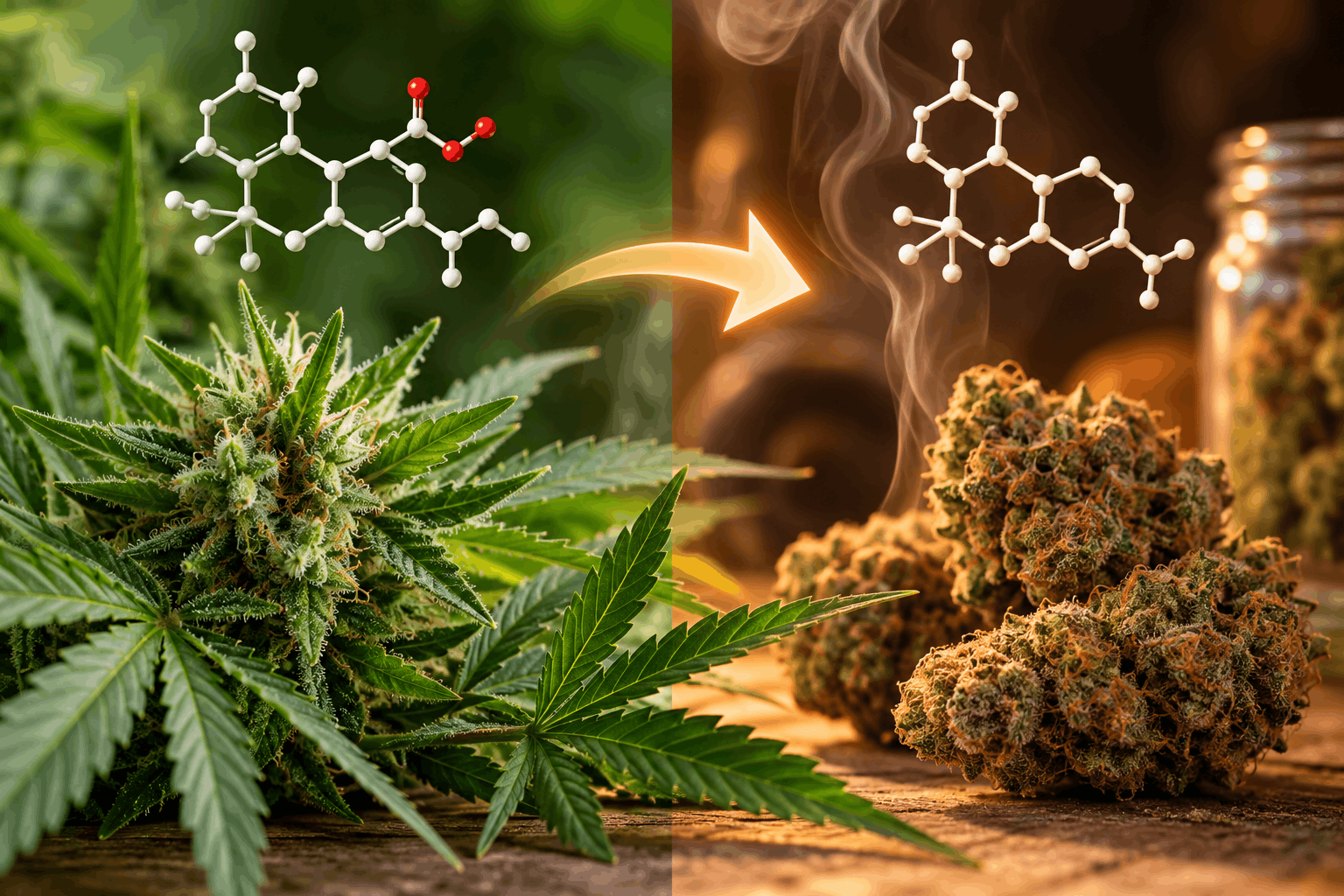
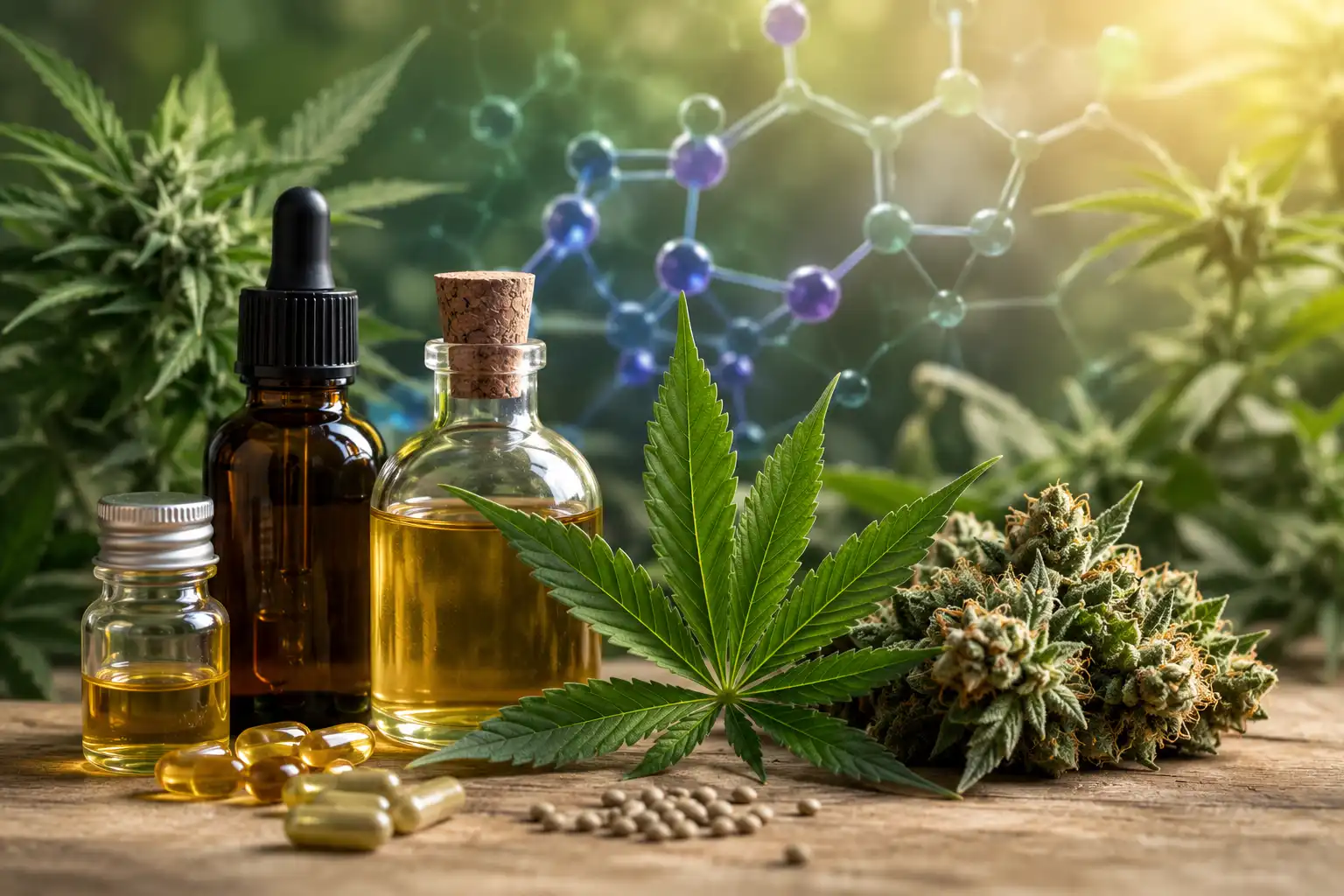
Cannabis contains more than 100 cannabinoids, including well-known compounds like THC and CBD. Researchers are also exploring minor cannabinoids, which occur in smaller amounts but may offer unique properties. For consumers in Fort Worth, TX, understanding these compounds can help when choosing cannabis and hemp-derived products.
Key Takeaways
- Minor cannabinoids are naturally occurring cannabis compounds found in smaller amounts than THC and CBD.
- Many rare cannabinoids are being studied for their unique effects and possible wellness applications.
- Understanding cannabinoid profiles can help consumers make more informed product choices.
What Are Minor Cannabinoids?
Minor cannabinoids are compounds found in cannabis in smaller amounts than THC and CBD. Although less abundant, they may still contribute to the overall effects of cannabis products.
Common minor cannabinoids include:
- CBG (Cannabigerol)
- CBN (Cannabinol)
- CBC (Cannabichromene)
- THCV (Tetrahydrocannabivarin)
- CBDV (Cannabidivarin)
- CBDA (Cannabidiolic Acid)
- THCA (Tetrahydrocannabinolic Acid)
Each interacts with the body differently, making them an important area of ongoing research.
Why Are Minor Cannabinoids Important?
Minor cannabinoids are gaining attention because they may work alongside other cannabinoids and plant compounds, a concept known as the entourage effect.
They can offer:
- More diverse cannabinoid profiles
- Greater product variety
- More personalized options
- New areas for research
As research develops, more products are being created with specific cannabinoid combinations.
How Do Minor Cannabinoids Work in the Body?
Like THC and CBD, minor cannabinoids interact with receptors throughout the endocannabinoid system (ECS).
The ECS helps regulate several functions, including:
- Mood
- Sleep
- Appetite
- Memory
- Stress response
- Immune function
Different cannabinoids may interact with CB1 and CB2 receptors in unique ways. Some may bind directly to receptors, while others influence how receptors respond to naturally occurring compounds in the body.
This complex interaction is one reason researchers continue exploring the potential of rare cannabinoids.
Which Minor Cannabinoids Are Most Commonly Studied?
CBG: The Parent Cannabinoid
CBG develops from CBGA and is found in smaller amounts in many cannabis varieties. It is increasingly used in specialized cannabinoid products.
CBN: The Aging Cannabinoid
CBN forms as THC breaks down over time. It occurs naturally in aged cannabis material and is increasingly featured in cannabinoid-specific products.
CBC: The Understudied Compound
CBC is a non-intoxicating cannabinoid that has received growing research interest, particularly for its interactions with different receptors.
THCV: The Unique Variant
THCV is structurally similar to THC but interacts with the body differently. It naturally occurs in certain cannabis varieties and is gaining attention in specialized products.
What Are Rare Cannabinoids?
Rare cannabinoids are cannabinoids found in very small concentrations within cannabis plants. Advances in extraction and cultivation techniques have made it easier to isolate these compounds for research and product development.
Examples of rare cannabinoids include:
| Rare Cannabinoid | Description |
| THCV | Unique THC variant |
| CBDV | Similar to CBD but structurally distinct |
| CBL | Breakdown product of CBC |
| CBT | Naturally occurring cannabinoid |
| CBGV | Variant of CBG |
As extraction technology improves, rare cannabinoids are becoming more accessible to manufacturers and consumers.
How Are Rare Cannabinoids Different From Major Cannabinoids?
The primary difference lies in concentration.
| Feature | Major Cannabinoids | Rare Cannabinoids |
| Abundance | High | Very low |
| Examples | THC, CBD | THCV, CBDV, CBL |
| Availability | Widely available | More limited |
| Research Volume | Extensive | Emerging |
| Product Presence | Common | Specialized |
Because of their scarcity, rare cannabinoids often require advanced extraction methods, making them more expensive and less common in commercial products.
Why Is Research on Minor Cannabinoids Growing?
Several factors have contributed to increased scientific interest:
Expanding Consumer Demand
Consumers are seeking products that go beyond traditional THC and CBD offerings.
Better Extraction Technology
Modern extraction techniques allow manufacturers to isolate cannabinoids more efficiently than ever before.
Increased Funding and Research
As cannabis regulations evolve, universities and private organizations have gained more opportunities to study cannabinoid science.
Product Innovation
Companies are creating cannabinoid blends tailored to specific consumer preferences.
This growth has fueled interest in both minor cannabinoids and rare cannabinoids across multiple sectors.
What Products Contain Minor Cannabinoids?
Minor cannabinoids can be found in various cannabis and hemp-derived products, including:
- Gummies
- Tinctures
- Capsules
- Topicals
- Vape products
- Beverages
When choosing a product, check the cannabinoid profile, third-party lab reports, ingredients, and sourcing for greater transparency.
How Do Minor Cannabinoids Support the Entourage Effect?
Researchers believe cannabinoids may work together in ways that influence overall product experiences.
A full-spectrum product may contain:
- THC
- CBD
- CBG
- CBC
- CBN
- Terpenes
- Flavonoids
Instead of relying on a single compound, these products aim to preserve a broader range of plant constituents.
Although research is ongoing, many experts believe the interaction between cannabinoids contributes to the complexity of cannabis effects.
What Should Consumers Look for When Choosing Cannabinoid Products?
Choosing cannabinoid products can feel overwhelming due to the growing number of options.
Consider the following checklist:
Review Lab Testing
Look for Certificates of Analysis (COAs) from independent laboratories.
Understand Cannabinoid Profiles
Check whether products contain cannabinoids beyond THC and CBD.
Learn About Extraction Methods
Different extraction methods may influence cannabinoid preservation.
Verify Ingredient Transparency
Reputable brands provide clear ingredient information.
Research Manufacturer Reputation
Look for companies with strong quality-control standards.
What Does the Future Hold for Minor Cannabinoids?
Industry experts anticipate continued growth in cannabinoid research and product development.
Future trends may include:
- More cannabinoid-specific formulations
- Greater consumer education
- Expanded scientific studies
- Improved extraction efficiency
- Increased product customization
As understanding improves, both consumers and businesses may gain access to more sophisticated cannabinoid solutions.
Statistics and Industry Insights
Several notable industry trends highlight growing interest in cannabinoids:
- More than 100 cannabinoids have been identified in cannabis plants.
- Global cannabis research publications have increased significantly over the past decade.
- Consumer demand for cannabinoid-specific products continues to expand across North America.
- Product categories featuring rare cannabinoids have grown as extraction technologies improve.
Sources:
- National Center for Biotechnology Information (NCBI)
- Journal of Cannabis Research
- National Institutes of Health (NIH)
- Frontiers in Pharmacology
Frequently Asked Questions About Minor Cannabinoids
1. What are minor cannabinoids?
Minor cannabinoids are naturally occurring cannabinoids found in smaller concentrations than THC and CBD within cannabis plants.
2. Are rare cannabinoids the same as minor cannabinoids?
Not always. Rare cannabinoids are generally considered a subgroup of cannabinoids found in extremely low concentrations.
3. Which minor cannabinoid is most common?
CBG, CBC, and CBN are among the most commonly recognized minor cannabinoids.
4. Why are rare cannabinoids becoming more popular?
Growing research, improved extraction technology, and consumer interest have increased demand for rare cannabinoids.
5. Do minor cannabinoids occur naturally in cannabis?
Yes. They are naturally produced by cannabis plants during growth and development.
Conclusion
As cannabis science advances, understanding minor cannabinoids is becoming increasingly valuable for consumers, businesses, and researchers alike. While THC and CBD continue to dominate the conversation, many lesser-known compounds are helping expand our understanding of the cannabis plant. Continued research into rare cannabinoids may reveal new applications, product innovations, and opportunities for personalized experiences. At naturalbuds, we believe education is essential for helping consumers make informed decisions in an evolving cannabis marketplace.